
Development Site Valuation
Development sites, subdivisions, englobo land and approved projects. Valued on what can be built, what it would sell for and what it would cost to get there.
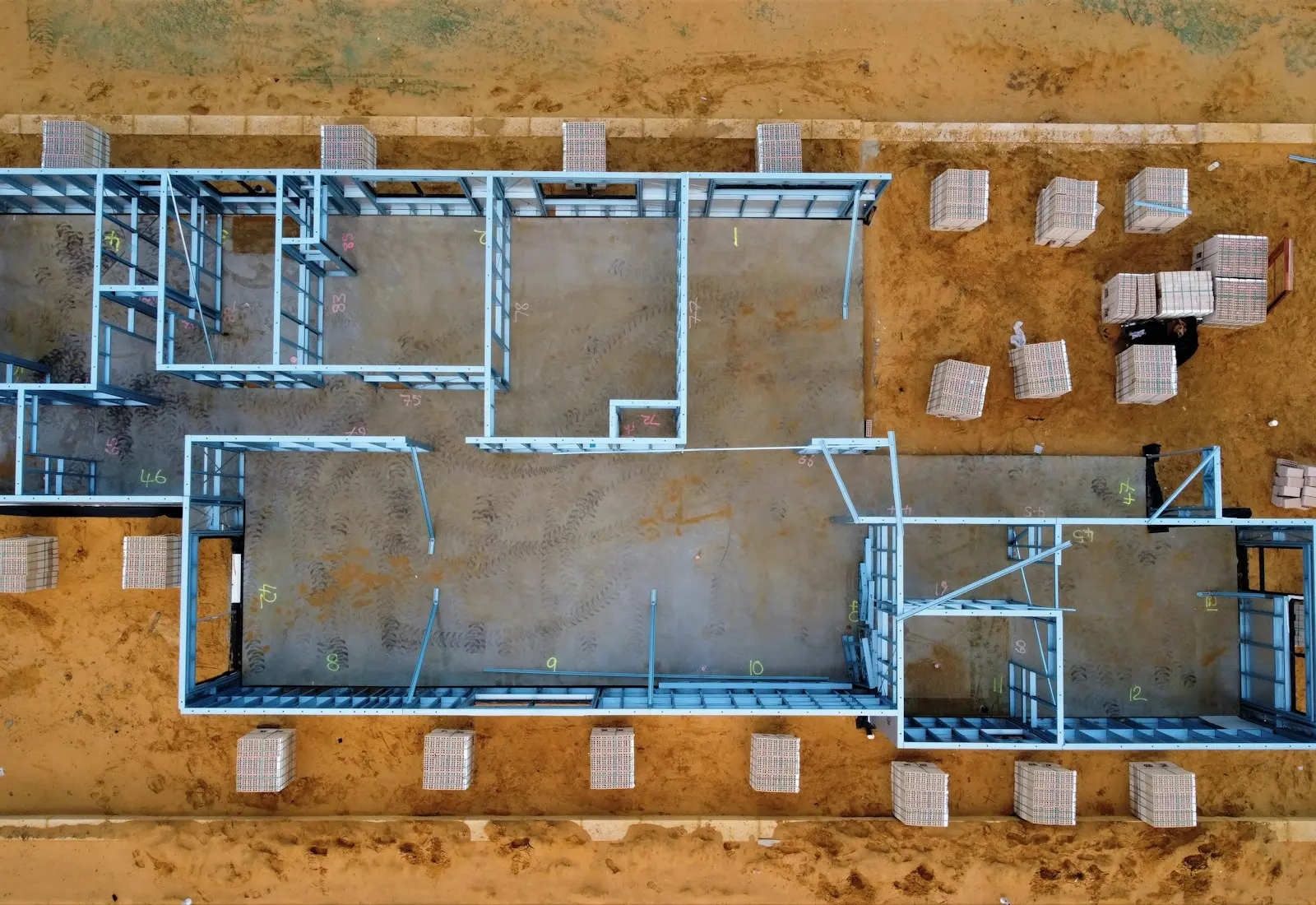
Two ways to value a site
Direct comparison analyses sales of similar sites, usually on a rate per square metre of land, per potential lot or per approved dwelling. It works well where there is good evidence of similar sites selling.
The residual method, also called a hypothetical development, starts with what the finished project would sell for and works backwards: deduct construction costs, professional fees, statutory charges, finance and holding costs and an allowance for profit and risk. What is left is the price a developer could afford to pay for the land. How development sites are valued walks through an example.
Residual valuations are very sensitive. A small change in sale prices or construction costs moves the land value a lot, so a good report shows its inputs and tests them, and it is checked against direct comparison wherever evidence allows.
Planning drives value
The valuer considers what can realistically be approved, not what the owner hopes for. Zoning, overlays, height and density controls, approvals already granted, conditions attached to them and infrastructure contributions all matter. A site with a current approval is generally worth more than one without, because time and risk have been removed.
What helps
- Planning permits or development approvals, with plans and conditions
- Any feasibility study, quantity surveyor cost estimate or sales projections
- Survey and title details, including easements and covenants
- Geotechnical, contamination or flooding reports
Fees and process
Development valuations start from $2,750 including GST and are quoted on scope. Request a specialist quote and you receive a fixed fee before any work starts.
Questions people ask
What is a residual land valuation?
It values a site by estimating the end value of the project it can support, then deducting the costs of delivering it and a margin for profit and risk. The residual is what a developer could pay for the land.
Can you value a site before it has a planning approval?
Yes. The valuer considers what is reasonably likely to be approved under the planning controls and reflects the time, cost and risk of getting there.
Do you value subdivisions?
Yes, including englobo land, staged subdivisions and individual lots. The method depends on the stage the project has reached and the evidence available.
What is your property worth?
Tell us what you need valued and why. We’ll show you the right valuation and what it costs.